Kari Telur Tanpa Santan: Malaysian Egg Curry Without Coconut Milk
Introduction

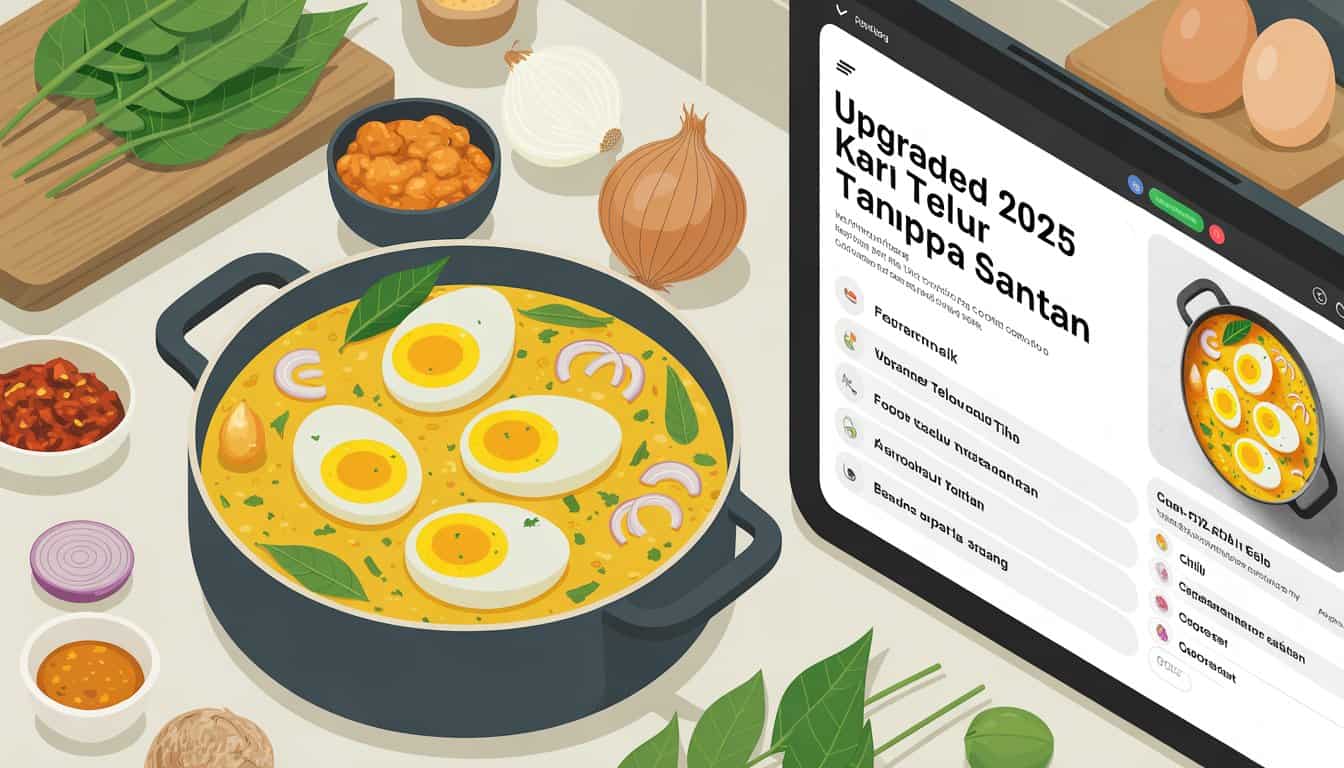
Kari telur tanpa santan is a lighter Malaysian egg curry that skips coconut milk yet keeps the familiar aroma of curry leaves, onions, and a warming spice blend. The result is clearer, brighter gravy with a gentle heat and clean finish, ideal for those who want faster cooking and fewer calories without losing flavor. This upgraded 2025 guide to kari telur tanpa santan explains how it compares with the coconut version, highlights simple ingredient choices, and shows beginner-friendly steps that are easy to follow on any screen, from mobile to desktop.
When comparing kari telur tanpa santan to its coconut milk counterpart, several key differences stand out in flavor, texture, and preparation. Without santan, the curry offers a spiced, bright, and slightly tangy profile with a light to medium body, making it lower in calories at around 180–220 kcal per serving. In contrast, the version with santan is rich, creamy, and full-bodied, with mellow heat and higher calories of about 260–320 kcal. Cost-wise, the tanpa santan option is more budget-friendly at RM3.00–RM3.80 per serving in Malaysia, compared to RM4.00–RM5.00 for the creamy version. Cooking time is slightly shorter without santan, taking 20–25 minutes versus 25–30 minutes, thanks to the simpler onion-tomato base and spice paste thickening method, as opposed to relying on coconut milk or cream.
Ramuan
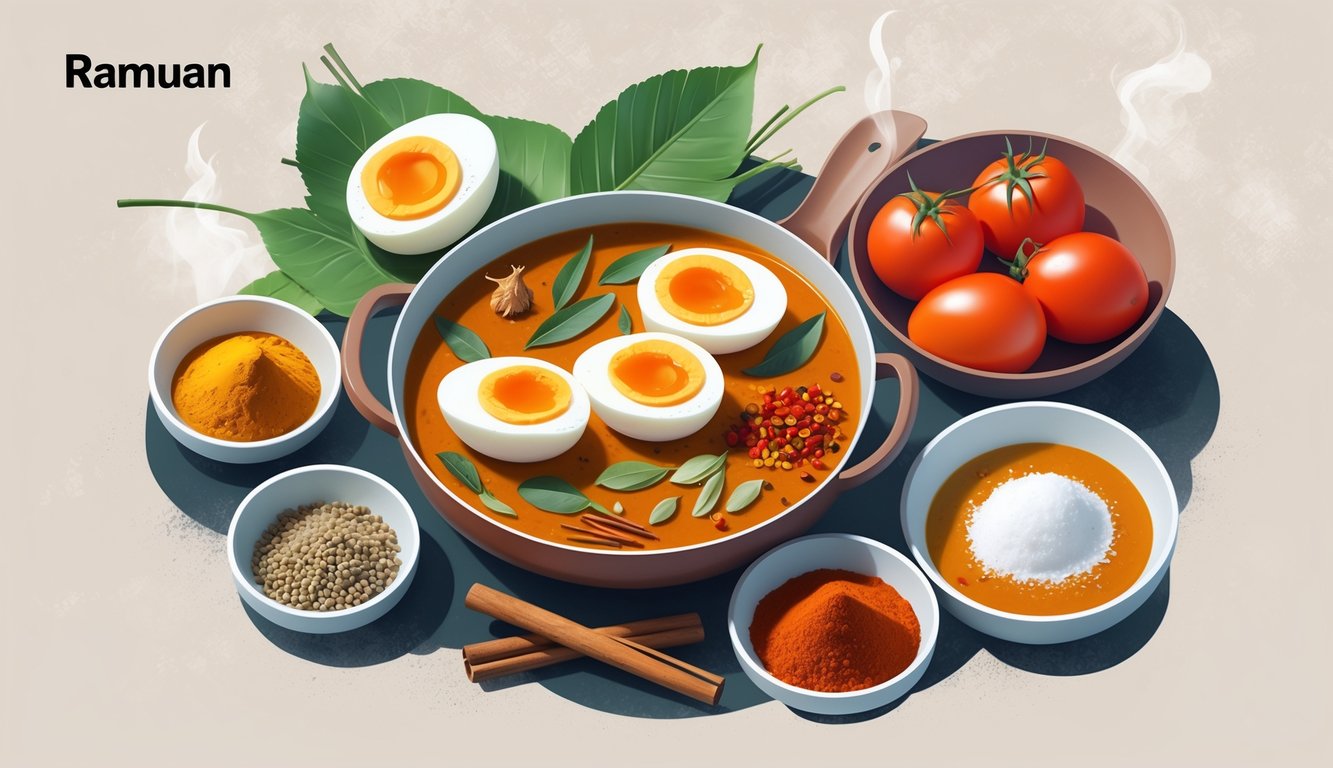
The ingredient set for kari telur tanpa santan mirrors a typical Malaysian curry but replaces coconut milk with a balanced onion-tomato base and a little water or stock. The spices remain familiar, and the method stays flexible for different heat levels, diet choices, and pantry availability. Beginners can start simple, then customize thickness, sourness, and heat to preference, ensuring a dish that’s both nutritious and satisfying.
Telur ayam
Medium or large chicken eggs work best because the whites set firmly while the yolks stay creamy. Hard-boiled eggs are standard, but slightly jammy yolks add richness without coconut. For four servings, six to eight eggs offer a generous ratio of protein to gravy and reheat well for weekday meals.
Egg freshness matters for easy peeling; older eggs tend to peel cleaner after boiling. A quick ice bath also helps release the shell, saving time and reducing waste. Scoring or lightly pricking the eggs before simmering can help the gravy coat the surface evenly.
Some cooks pan-sear boiled eggs until lightly blistered to add texture and a toasty note. This step is optional but boosts flavor without extra ingredients. If oil is minimized, the curry still tastes satisfying because the spice paste carries the aroma, making it a versatile choice for health-conscious eaters.
Bahan perasa
Onions, garlic, and ginger form the core flavor base; red onions lend sweetness while ginger adds warmth and balance. Tomatoes or tomato puree introduce body and subtle acidity that replaces the roundness usually provided by santan. Curry leaves, if available, release an iconic Malaysian aroma in just a few seconds of hot oil.
Green chilies or dried chili powder adjust heat cleanly without masking the spice notes. A little sugar or palm sugar can smooth bitterness from spices, while salt highlights the savory depth. Water or light stock controls the final consistency and prevents the curry from becoming too thick, allowing for easy adjustments during cooking.
Optional additions include potatoes for extra substance and a creamy bite without dairy. For a tangier profile, a small splash of tamarind water can be used sparingly. Coriander or spring onion at the end brings a fresh lift, enhancing the overall appeal of this simple curry recipe.
Rempah kari
A Malaysian-style curry powder blend (meat or fish type both work) anchors the dish. Many blends already contain coriander, cumin, fennel, chili, turmeric, and other aromatics. Beginners can keep it simple with one good curry powder and a pinch of turmeric for color.
Mix the powder with a little water to form a paste before it hits the oil; this prevents scorching and encourages even blooming. A touch of ground black pepper can add warmth without shifting the flavor balance too far. If extra body is needed, a small spoon of toasted gram flour can help thicken without altering the authentic taste.
Those who prefer deeper spice can add a bit of ground chili or paprika for color. For a softer profile, reduce chili and increase coriander. The goal is a balanced paste that tastes rounded even without coconut milk, making it perfect for beginner-friendly curry experiments.
Cara Memasak
The cooking method for kari telur tanpa santan prioritizes time-saving steps without skipping essential blooming of spices. With practice, the sequence becomes predictable and efficient, making it suitable for busy days. The process is also forgiving, allowing easy corrections with water, salt, or acidity, which helps beginners achieve great results in their egg curry without coconut milk.
Langkah Persediaan
Boil the eggs until hard or slightly jammy, cool in ice water, and peel carefully. Slice onions, mince garlic and ginger, and prepare tomatoes or tomato puree. Mix curry powder with water into a smooth paste and set aside for a seamless cooking flow.
Heat a small amount of oil in a pot, then have curry leaves and chilies within reach. Prepare light stock or water so adjustments are quick. Keep salt and a small pinch of sugar ready for final balancing to ensure the flavors meld perfectly.
If using potatoes, parboil or cut small for faster cooking. This saves overall time and ensures even texture. Having everything measured up front shortens active stovetop time, making this simple curry recipe even more accessible for novices.
Langkah Memasak
In warm oil, fry curry leaves briefly until fragrant, then add onions to soften and caramelize at the edges. Stir in garlic and ginger until aromatic, taking care not to burn. Add the curry paste and cook on medium heat until the oil separates and the spices smell rounded.
Stir in tomatoes or puree and simmer until the raw edge disappears. Add water or light stock to reach a medium consistency, then season with salt and a little sugar if needed. Gently add the boiled eggs, letting them simmer so the gravy coats them well for maximum flavor infusion.
Adjust thickness with more water for a lighter style, or reduce uncovered for a thicker finish. For mild tang, a small splash of tamarind water can be added and simmered. Taste and tune chili, salt, and sweetness just before serving to perfect your Malaysian egg curry.
Hidangan Siap
The curry should look glossy, with a bright color and a balanced aroma. Garnish with coriander or sliced green chilies for contrast. It pairs well with steamed rice, roti canai, chapati, or plain paratha, creating a complete and satisfying meal.
Leftovers keep in the fridge for two to three days and often taste better the next day. Reheat gently with a splash of water to maintain the desired consistency. The dish packs well for office lunches and remains flavorful at room temperature, ideal for on-the-go eating.
Those who want extra body without coconut can add mashed potato into the gravy. Another option is a tablespoon of plain yogurt whisked in off-heat for a soft tang. Both keep the recipe within the tanpa santan approach, offering customization for different preferences.
Komen
Feedback helps refine seasoning, heat levels, and consistency for future cooks exploring kari telur tanpa santan. Practical, concise notes save time for beginners learning the sequence. Share what worked and what you might tweak next time to build a community of shared knowledge.
Kongsi Pengalaman Anda!
Readers often find that slightly caramelized onions give a deeper finish. Others report that blistering the eggs adds satisfying texture. Small tweaks like these can upgrade the dish without extra cost, enhancing the overall enjoyment.
Some prefer a thinner gravy to soak into rice, while others reduce longer for a clingy finish. Both approaches are valid and depend on the meal pairing. Clear comments about water ratios help future readers judge quickly and adapt the recipe to their needs.
Sharing prep shortcuts, like pre-boiling eggs the night before, is valuable. Time saved at the stove translates into a calmer cooking experience. Beginner cooks benefit the most from such realistic tips, making the process less intimidating.
Soalan & Jawapan
If the curry tastes flat, simmer a few minutes longer to develop the spice base. A small pinch of sugar often rounds bitterness without making the dish sweet. Salt should be added in stages to avoid overshooting and to achieve the perfect balance.
If the gravy is too thin, reduce uncovered for a few minutes. Alternatively, mash a small piece of potato into the sauce for gentle thickening. Avoid corn starch if possible, as it can gloss the finish unnaturally and alter the traditional texture.
For less heat, use fewer dried chilies and rely on black pepper warmth. For more heat, add chili powder late for a brighter kick. Flavor remains balanced because the tomato-onion base anchors the spices, ensuring a cohesive taste.
Resepi Berkaitan
These related Malaysian favorites show how flavor, texture, and heat can vary across everyday dishes. Each can be tailored for time, budget, and preferred richness. The short notes help beginners decide what to cook next, expanding their repertoire of simple curry recipes and beyond.
Kari Telur
This is the classic coconut milk version with a creamy finish. It suits diners who like a mellow, rounded heat. The method closely mirrors the tanpa santan approach, with santan added near the end for that signature richness.
Preparing kari telur with santan involves similar steps but results in a fuller body. It’s perfect for special occasions or when you crave indulgence. Beginners can easily switch between versions by adjusting the liquid base.
Many enjoy this variant with fluffy rice to absorb the creamy gravy. Leftovers reheat well, maintaining their flavor. Overall, it’s a comforting dish that highlights Malaysian culinary traditions.
Sambal Tumis Telur Rebus Pekat dan Likat
This sambal-forward dish focuses on chili depth and sweetness. The sauce clings tightly to eggs for a bold bite. It is ideal when robust, spicy flavors are desired in a quick meal.
The preparation emphasizes frying the sambal paste to develop intense aromas. Eggs are added last to soak up the flavors without overcooking. This creates a dish that’s both hearty and exciting.
Pair it with cucumber slices to balance the heat. It’s a staple in many households for its simplicity and punch. Experimenting with chili varieties can personalize the spice level.
Ayam Masak Kicap Bersama Kentang
A soy-based braise that is savory, lightly sweet, and comforting. Potatoes add body and absorb the sauce. It is gentle in heat and very family friendly, making it a go-to for weeknight dinners.
The cooking process involves simmering chicken with soy sauce and aromatics. Potatoes soften in the sauce, creating a one-pot wonder. This method ensures minimal cleanup and maximum flavor.
Serve with steamed vegetables for a balanced plate. Leftovers can be repurposed into sandwiches. It’s an excellent introduction to Malaysian flavors for newcomers.
Maggi Goreng Mamak
A fast mamak-stall favorite with wok-char notes. The seasoning is punchy and satisfying. It is great for quick lunches or late-night suppers when time is short.
This dish uses instant noodles stir-fried with eggs, vegetables, and spices. The high-heat cooking imparts a smoky essence. Customization is easy with added proteins or veggies.
Popular among students and busy professionals, it’s affordable and filling. Variations include seafood or vegetarian options. Mastering the wok technique elevates the simple ingredients.
Rebung Ikan Bilis Goreng Sambal
Bamboo shoots bring crunch and a subtle earthy note. Anchovies add umami depth to the sambal base. The result is lively and textured, offering a unique side dish.
Stir-frying combines the ingredients for a quick preparation. The sambal paste ties everything together with spice. It’s a great way to incorporate preserved flavors.
Enjoy alongside rice or as part of a larger spread. Seasonal bamboo adds freshness when available. This recipe showcases resourceful Malaysian cooking.
Asam Pedas Ikan Kerisi Macam Kedai Kat Melaka Tu
This sour-spicy fish stew has a distinctive tang. The broth is bright, aromatic, and appetizing. It pairs well with plain rice to balance intensity and highlight the flavors.
Using fresh fish like kerisi ensures tenderness. Tamarind provides the signature sourness, simmered with spices. The Melaka-style version is known for its authenticity.
It’s a favorite in coastal regions for its refreshing qualities. Adjustments to spice levels make it versatile. Serving hot enhances the aromatic experience.
Masak Lemak Telur Itik
This coconut-forward curry shows a richer, silkier side. Duck eggs provide deeper flavor to the sauce. It suits those who want luxury in a simple dish without much effort.
The coconut milk base creates a velvety texture. Spices are bloomed to infuse the eggs thoroughly. This variant offers a gourmet twist on everyday curry.
Pair with bread for dipping into the sauce. It’s ideal for gatherings or special meals. The richness makes it memorable and satisfying.
Telur Mata Masak Kicap
Fried eggs simmered in a savory soy-based sauce. The yolk adds creaminess when mixed with rice. It is quick, comforting, and budget friendly for any day.
The sunny-side-up eggs are gently cooked in the sauce. Aromatics like onions enhance the depth. This dish comes together in minutes.
It’s perfect for solo meals or as a side. Variations include adding chilies for heat. Its simplicity belies the comforting flavors it delivers.
Sumbangan Kuali Mama
Community-shared notes and variations help newcomers avoid common mistakes in preparing dishes like kari telur tanpa santan. Clear, concise guidance saves time for busy home cooks. Seasonal tips also keep the dishes adaptable throughout the year in Malaysia, fostering a supportive cooking community.
Kuali Mama
Kuali Mama contributions emphasize practical steps, measured seasoning, and flexible serving ideas. The approach encourages customization, from gentle heat to brighter spice. Readers can apply the same framework across many local dishes, building confidence over time.
Each update focuses on clarity and beginner confidence. Instructions are organized to be easy to follow on mobile or desktop. This responsive presentation supports quick glances while cooking, making the experience more enjoyable.
Budget notes, time estimates, and substitution ideas appear where helpful. Together, they make the kitchen routine smoother. The goal is reliable results with minimal fuss, empowering home cooks everywhere.